Dental prosthetics
Veneers
Dental restorations – what are veneers?
On this page
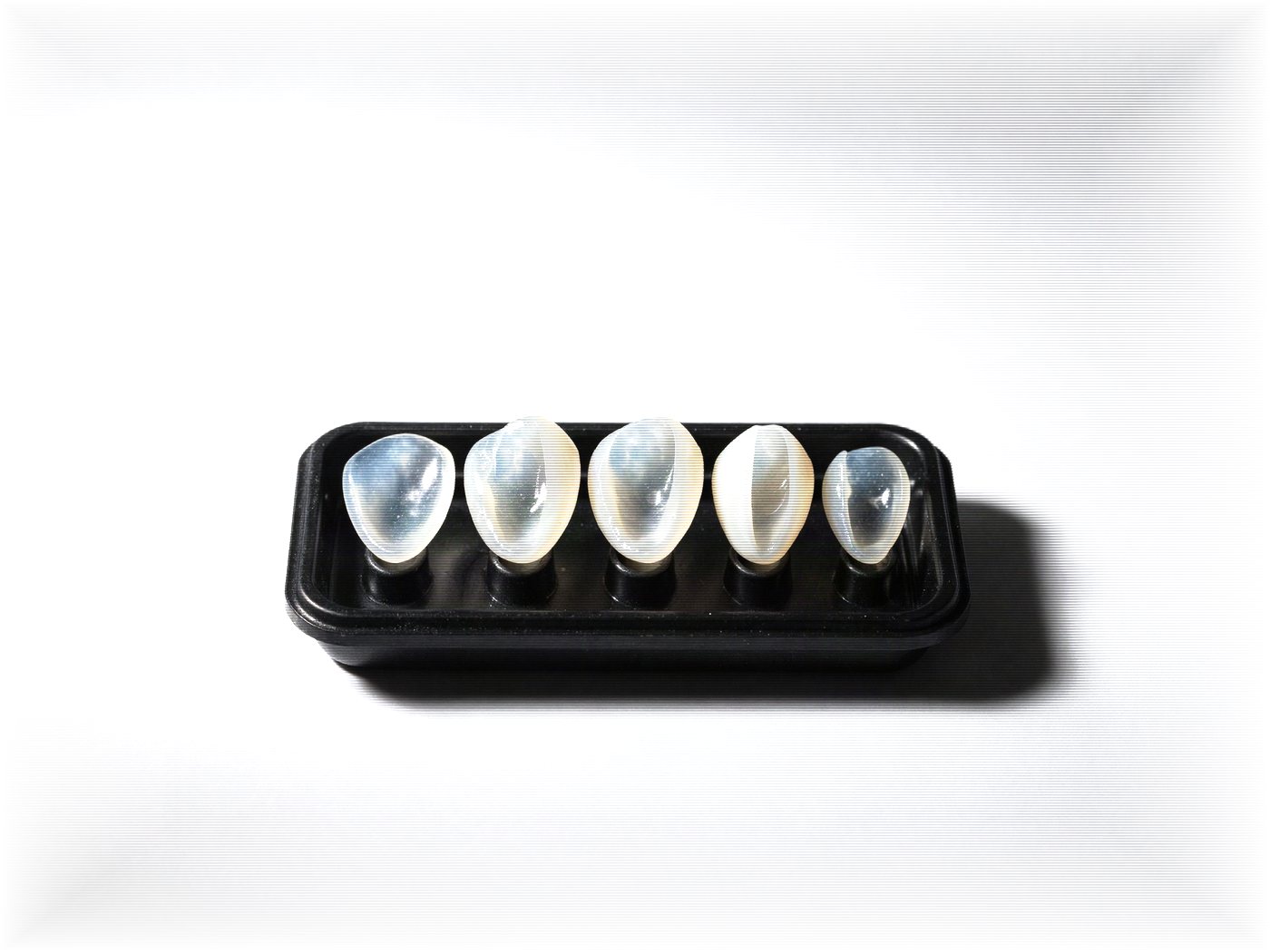
Veneers, also known as ceramic facings, are one of the most elegant and long-lasting methods of correcting unsightly front teeth. Unlike crowns, the natural tooth does not have to be ground down. Instead, a wafer-thin ceramic shell is bonded to the tooth surface with a particularly resistant composite. The shape and thickness of a veneer resemble a fingernail. Many actors and models owe their radiant smiles to this technique. Veneers not only improve the colour and shape of a tooth, but can also close gaps between teeth and conceal slight misalignments – often an aesthetically pleasing alternative to extensive orthodontic treatment.
Veneers to correct gaps between teeth
Gaps often occur in the front teeth, caused by the frenulum of the upper lip or by teeth that are too small (known as a diastema). Orthodontic treatment can push the teeth together, but it cannot make them larger. Veneers offer an aesthetic solution here by closing the gap without grinding the tooth down for a crown.
Concealing tooth misalignments with veneers
While orthodontic treatment with braces often takes several years, minor tooth misalignments can be corrected quickly and effectively with veneers. This method allows a visual adjustment without lengthy procedures or the need to wear brackets and wires.
Treating enamel cracks and fissures
Excessive strain or an unsuitable diet can cause fine cracks in the tooth enamel. Bacteria penetrate these cracks, leading to unsightly discolouration. While deep cracks must be treated with fillings, superficial enamel fissures can be corrected by so-called “bonding”. A thin layer of composite is applied to the tooth surface to cover discolouration.
Besides classic ceramic veneers, there are also composite veneers. These are made of a high-quality plastic material and are modelled directly onto the tooth. They are less expensive than ceramic veneers, but are somewhat less durable and tend to discolour more over time.
How long veneers last
The durability of veneers depends on the type of material and on proper care. High-quality ceramic veneers can last up to 15 years or longer with good oral hygiene and regular dental check-ups. Composite veneers have a shorter lifespan of around 5 to 7 years, as the material is more prone to wear and discolouration. To get the longest life from your veneers, chew hard foods carefully and avoid harmful habits such as teeth grinding or opening packaging with your teeth. Regular check-ups at the dentist help to monitor the condition of the veneers and to detect any damage early.
in Krefeld
Anyone interested in veneers should seek advice from an experienced specialist. At the Zahnfine dental practice in Krefeld, we are happy to advise you on whether veneers are the right solution for your individual needs. In a thorough consultation, we work out together whether minimal preparation of the teeth is necessary or whether a no-prep option is possible.
Veneers are an effective and aesthetic way to enhance your own smile. Whether it is a full set of veneers, the correction of misalignments or the closing of gaps between teeth – this method offers a long-lasting solution for aesthetic, healthy-looking teeth.